Showing posts with label Term 1: Sustainability. Show all posts

Thursday, 16 November 2017

Reviewing our school goal number 4

At our annual middle leaders planning day, our first session was a review of our school goals for 2017.  Part of my inquiry this year has been focussed on implementing school goal number 4:

To work across departments in Year 9 on an integrated unit of work with a community focus or context.
At the end of 2016, we decided to implement links to the 4 To remind staff about the lead up to the unit, I discussed the staff PLD around what that would like and decided on our term 1 unit to focus on 'Sustainability'. As a staff we developed 6 areas of focus, each designed to give students a choice as to which issue they wanted to focus on.
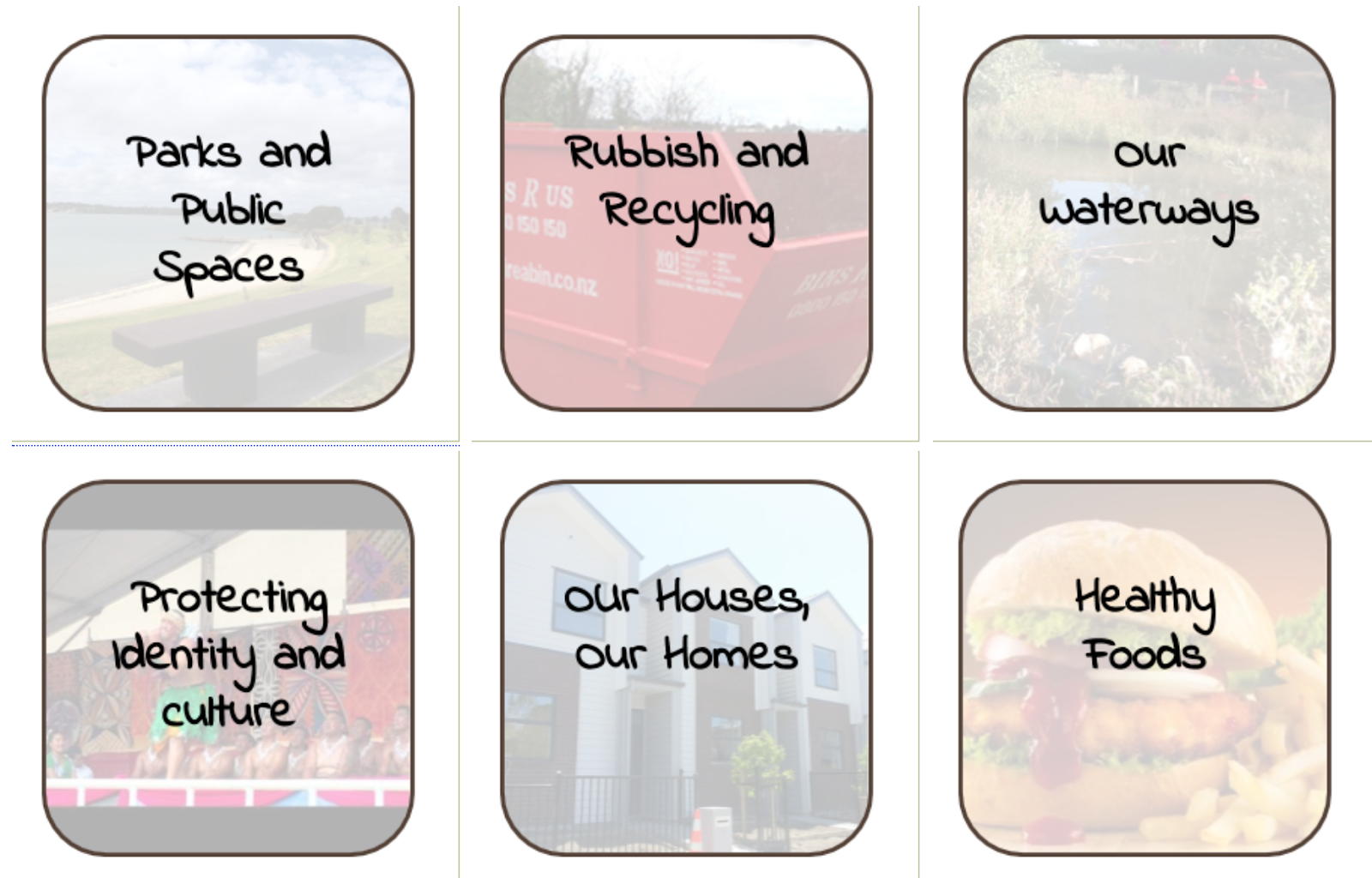
From there, department were shared a document to show how they could support the teaching and learning of the topic as followed: English
From there, an initial plan for the Middle Leaders was designed whereby HOD's were assigned to support a class on their blogs. A draft Unit plan and a student site were developed and this was taught to the year 9's in term 1.

Below is a swat analysis review of the unit:
  • Process of integration during the unit (Teaching and Learning)
    • Strengths:  
      • Social Studies driven meant consistency in approach.  Weekly meetings with year 9 teachers.
      • All year 9 Students were talking sustainability
      • ‘Just in time teaching’ happened eg. The River Talks and 9RMz’s trip to Ruapotaka (contexts outside of school where Science and Sos teachers expected to come)
      • Student blogs
      • High engagement for staff involved (Gene, Karen etc)
    • Weaknesses:
      • Not all staff/departments on board.
      • HODs not able to check on classes.
      • Project Templates not used because of difficulty in applying them in social studies context.  Staff not comfortable using them.
      • Structure not totally clear
    • Opportunities
      • Fewer departments involved means more structure
      • More student agency
      • More learnings from this year
    • Threats
      • Loss of interest or enthusiasm from staff
      • Lack of time


  • End product from integration:  Te Taiao O Tamaki presentations.  
    • Strengths:
      • Positive feedback from the community
      • High student engagement for students who presented and students who visited
      • Developed better relationships with students
    • Weaknesses:
      • Wish we could’ve taken more presentations
      • Lots of Dot’s time taken on own
    • Opportunities
      • Have our own school presentations for all projects
    • Threats:
      • Limiting it to the best kids
Key Learnings:  Kids loved it.
MOVING FORWARD:
We want to develop and looking at a model that will work for us:
  • Howick College innovation stream - one class where students apply to be in it.  Involves 4 core subjects.
  • Fusion at Oxford Area school -all year 9’s and 10’s.  Involves Maths, Technology and Social Sciences.  Project based.
  • A partnership with the Liggins Institute from Auckland University is helping to lead a collaborative narrative/transformative learning approach developed  in the Cook Islands.  Ready made resources (Unit plan)


Wednesday, 17 May 2017

The value of connected learning in our Manaiakalani cluster - Te Taiao o Tāmaki.

When posed with the question of 'what does future focused learning in a connected community' look like, the Manaiakalani cluster wide inquiry of Te Taiao o Tāmaki' set the foundation for our year 9 students to be 'connected' to their learning.

Te Taiao o Tāmaki allowed connections to be made between teachers and schools in our cluster.  At our meetings, ideas were shared and networks made.  Teachers selected students from their respective schools to quad blog with students from other schools, to gain an insight into each others worlds and see that they were not alone in their learning.  Teachers across the cluster also shared their teaching strategies to support each other to work towards the collective vision.

Te Taiao o Tāmaki allowed our year 9 students at Tamaki College to feel connected to the rest of the schools in the cluster.  Many of our year 9's had younger siblings in the primary schools and would share their learnings over conversations at the dinner table or homework time with their parents and whanau.  This connection enabled students to support each other with their learning in their homes.

Te Taiao o Tāmaki allowed our year 9 students to feel empowered when they saw their projects and learnings displayed at Te Oro, especially in front of their old school mates.  A group of year 8's from a primary school, who knew one of our presenters, asked what he was like at school now, 'cause he used to be naughty'.  They were surprised when I replied 'he's going to be a future school leader'.  When asked how he felt about the day, our year 9 presenter replied how excited he was because 'everyone got involved and created amazing projects for all the other schools to see'. "It made me feel proud because I was sharing my knowledge with everyone else and it also helped me build up my confidence".  In enabling our year 9's to showcase their projects to the younger students, it established the belief that Tamaki College could be (and should be) the first school of choice for them in the future because they could see what they could aspire to.

Te Taiao o Tāmaki allowed our whanau and our community to see the quality of projects our year 9's were able to produce.  People took the time to stop by and comment on how articulate our students were and how proudly they presented themselves.  The fact that our community could see our students in this positive, shared context created the opportunity for any barriers and stereotypes to be broken down and a more positive view adopted.  This can only be a good thing.

So when I reflect on 'what future focused learning in a connected community' looks like, Te Taiao o Tamaki fostered the 'values' of coming together as a community of learners with a shared vision.  Te Taiao o Tāmaki was more than just a showcase of projects from students in our cluster.  It was a time that allowed our students to feel connected and valued, and that they had a place in the world.

Tamaki College at Te Oro 2017 from SchoolTV on Vimeo.

COL Inquiry #6C: Academic Reading "Teaching to the North East"

From the Secondary Teacher Literacy Handbook page 33:  Bishop (2019) stated that to improve Māori achievement, teachers need to  create an e...